Best Video Game Adaptations That Changed Modern Entertainment
Best Video Game Adaptations That Changed Modern Entertainment – Video game adaptations refer to the process of transforming popular video games into other forms of media, including films, television series, and even theatrical performances. This niche within the entertainment industry has seen significant evolution over the years, reflecting changing audience tastes and technological advancements. In the early days of gaming, attempts at adaptation were often met with skepticism and struggled to deliver quality narratives. Productions tended to be low-budget and lacked the depth needed to resonate with both gamers and non-gamers alike. Such adaptations frequently failed to capture the essence of the source material, leading to disappointing reviews and performances at the box office.
Despite these early setbacks, the landscape of video game adaptations is currently experiencing a renaissance, propelled by an influx of creative talent and a growing audience. Recent years have seen studios investing heavily in high-quality adaptations, reflecting an increased respect for the source material and the narrative complexities of video games. This shift can be attributed to several factors, including the burgeoning popularity of video games and the rise of dedicated fanbases that are eager for compelling stories and authentic representations of their favorite franchises.
Additionally, advancements in filmmaking technology have made it possible to visually represent the dynamic worlds and intricate plots found in video games more effectively. As studios begin to recognize the market potential of video game adaptations, we are witnessing a diversification of genres and storytelling approaches drawn from this engaging medium. The increasing interest from both audiences and studios has laid the groundwork for adaptations that not only entertain but also serve as critical cultural commentaries on the nature of gaming itself. This exploration of video game adaptations stands as a testament to their significance in shaping contemporary entertainment narratives.
Notable Successes: Film and Television
Video game adaptations have long been a complex endeavor for filmmakers and television creators. However, some notable successes have not only captured the essence of their original games but also attracted broader audiences, changing the landscape of modern entertainment. These successful adaptations demonstrate that when executed with care, video games can transition into engaging film and television productions.
One of the most significant examples is the adaptation of “The Witcher” into a Netflix series. The show, inspired by both the video game series and the original novels, has gained substantial popularity due to its intricate storytelling and character development. By staying true to the game’s fantasy elements, while also introducing new layers to its characters, the series successfully resonates with both gamers and newcomers to the franchise.
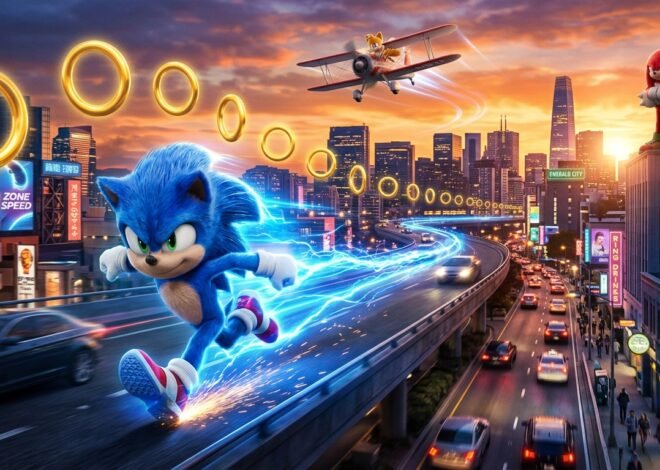
Another remarkable success is the “Sonic the Hedgehog” film, which faced initial criticism for its design choices and marketing strategies. However, post-production enhancements and effective audience engagement transformed it into a box-office hit. The film maintained key aspects of the beloved video game character while broadening its narrative to appeal to a family-friendly audience. This creative decision proved pivotal, earning the film a significant following and laying the groundwork for future adaptations.
Furthermore, “Tomb Raider” has demonstrated how to blend action with rich narratives while appealing to a new audience. By reimagining the story of its iconic protagonist, Lara Croft, the films not only revived interest in the franchise but also highlighted the potential of video game adaptations to explore deeper themes of adventure and resilience.
These examples illustrate that successful video game adaptations are not merely extensions of the original source material but are crafted experiences that resonate with diverse viewership. As the industry continues to evolve, the potential for more such adaptations to succeed remains promising.
The Impact on the Gaming Industry
The successful adaptation of video games into other forms of media has led to profound changes within the gaming industry itself. As films and television series based on video games gained popularity, they introduced new audiences to the original games, creating opportunities for expansion in the market. This increase in interest encouraged game developers to experiment with rich narratives and character development, pushing the boundaries of gameplay and storytelling.
One significant impact of these adaptations is the shift in marketing strategies employed by gaming companies. Traditionally, games were marketed primarily to niche audiences, but successful adaptations have opened the door to broader marketing campaigns that appeal to diverse demographics. Game developers now recognize the value of incorporating cinematic elements into their promotional strategies, often collaborating with film studios to craft engaging trailers that capture the essence of both the game and its film adaptation.
Moreover, the integration of storytelling elements has become increasingly prominent in modern video games, a trend heavily influenced by successful adaptations. Developers are now more inclined to create immersive narratives that intertwine with gameplay, mirroring the narrative depth seen in movies and television shows. This harmonious blend of storytelling and gameplay has transformed the gaming experience, making it more comparable to interactive film. As a result, gaming has emerged as a legitimate form of storytelling in its own right, appealing to both gamers and audiences of visual media alike.
In conclusion, the relationship between video game adaptations and the gaming industry has evolved significantly. With influences spanning marketing strategies to narrative development, these adaptations have not only broadened the gaming audience but have also enhanced the quality and depth of video games, solidifying their position in the realm of modern entertainment.
Looking to the Future: Upcoming Projects and Trends
As the landscape of entertainment continues to evolve, the future of video game adaptations presents exhilarating opportunities for innovation and creativity. Numerous high-profile projects are already in development, harnessing the narrative depth of video games to engage broader audiences. Streaming services such as Netflix, Amazon Prime, and Hulu are increasingly investing in these adaptations, recognizing the potential of tapping into the vast fan base associated with popular games.
Upcoming adaptations aim to translate the immersive experiences of video gaming into compelling visual storytelling. For instance, anticipated adaptations of franchises like “The Last of Us” and “Halo” are expected to elevate the standards for fidelity in storytelling, character development, and world-building. With advancements in CGI and interactive technologies, these adaptations stand to create more authentic representations of games, thereby enhancing viewer engagement.
Alongside these developments, a pivotal trend appears to be the growing preference for episodic formats. Modern audiences favor serialized storytelling that allows for character arcs and narrative developments to be explored over multiple episodes. This format aligns seamlessly with the nature of many video game narratives, which often span extensive plots and character relationships. Furthermore, as audiences become increasingly more integrated into the content via platforms like Twitch and YouTube gaming, creators may also consider interactive elements, potentially allowing viewers to influence story direction.
As we look ahead, it is clear that the ongoing evolution of technology, coupled with the changing landscape of viewer preferences, will profoundly shape how video game adaptations are conceptualized and produced. The intersection of gaming and traditional entertainment is expected to yield the emergence of new trends, continually shaping both sectors in ways previously unimagined. This exciting future invites both gamers and viewers to a spectrum of imaginative experiences that redefine engagement and storytelling.