The Odyssey Review: Nolan’s Most Ambitious Film Yet
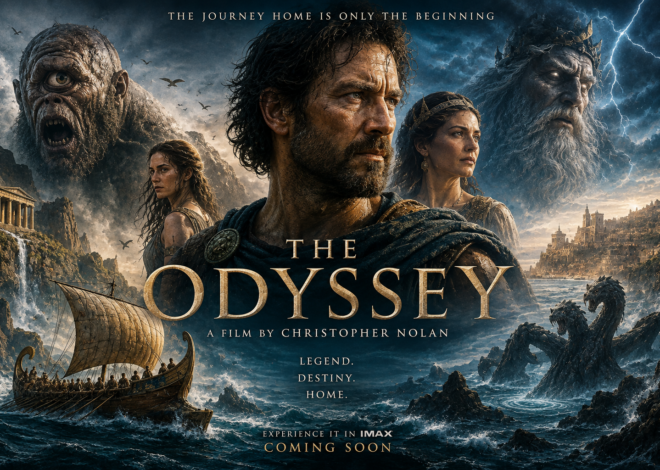
The Odyssey Review: Nolan’s Most Ambitious Film Yet – Christopher Nolan’s film, The Odyssey, represents a significant leap in cinematic storytelling, marking a new milestone in his illustrious career. The film, which premiered to much anticipation, delves deeply into the realms of time, memory, and human experience, inviting viewers to embark on a mental journey that is both complex and thought-provoking. Set against a backdrop that oscillates between various dimensions of reality, the premise revolves around a protagonist who navigates through a labyrinth of choices and consequences, embodying the archetypal hero’s journey.
The Odyssey is rich in themes that resonate with audiences on multiple levels. It explores the struggle between destiny and free will, raising questions about how much control individuals have over their paths. Moreover, the film tackles the nature of sacrifice and the layers of interpersonal relationships that make the journey worthwhile. The characters are not merely vehicles for the plot but are intricately woven into the fabric of Nolan’s narrative, each contributing to the central themes that dominate the storyline.
Since its release, The Odyssey has garnered mixed to positive reviews from critics and audiences alike. Many commend Nolan’s ambitious attempt to intertwine complex storytelling with emotional depth, while others have pointed to its challenging narrative structure as a potential barrier for some viewers. Regardless of the reception, it is undeniably clear that Nolan has pushed the boundaries of conventional filmmaking, leaving an indelible mark on the contemporary cinematic landscape. This film, with its grand scale and intricate designs, calls for repeated viewings, each offering fresh insights into its layered narrative and profound themes.
Nolan’s Storytelling Techniques
Christopher Nolan is renowned for his innovative storytelling and narrative structure, and in The Odyssey, he once again demonstrates his mastery of these elements. The film’s narrative is intricately woven, allowing audiences to experience the story on multiple levels. Nolan employs a non-linear timeline, a signature technique that challenges viewers to piece together the narrative in a way that mirrors the fragmented nature of memory and experience.
The film unfolds across various time periods and locations, gradually revealing critical plot points and character motivations through expertly crafted flashbacks and foreshadowing. This non-chronological approach not only adds complexity to the storyline but also enhances emotional engagement, as viewers are invited to explore the protagonist’s journey with a sense of intrigue. By breaking traditional narrative conventions, Nolan enables a richer understanding of the characters’ evolution and their intertwined fates.
Nolan also places great emphasis on pacing and tension-building. The film’s rhythm shifts expertly between moments of calm and bursts of intensity, creating a palpable sense of urgency that propels the story forward. During quieter scenes, viewers are encouraged to reflect on the characters’ dilemmas, while the action sequences are choreographed with meticulous precision, heightening suspense. This calculated approach to pacing not only keeps audiences riveted but also amplifies the emotional stakes of the narrative.
Moreover, Nolan’s use of sound and visual effects intertwines seamlessly with his storytelling techniques, further enhancing the atmosphere and thematic depth. The score complements key moments, heightening emotional responses and guiding viewers through the evolving tone of the film. Ultimately, these storytelling techniques contribute significantly to The Odyssey‘s status as a compelling cinematic experience, showcasing Nolan’s ability to innovate while maintaining coherence in narrative complexity.
Cinematic Innovation and Visual Mastery
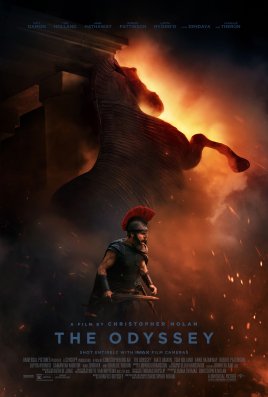
Christopher Nolan’s latest film, ‘The Odyssey’, showcases a remarkable fusion of creativity and advanced technology, elevating cinematic innovation to new heights. Nolan’s collaboration with a talented cinematography team is evident in the film’s stunning visuals, showcasing a dual approach that integrates both practical effects and computer-generated imagery (CGI). This hybrid method not only showcases the film’s artistic vision but also successfully immerses the audience into the mesmerizing world Nolan has crafted.
One of the defining features of ‘The Odyssey’ is its commitment to practical effects. Nolan is known for his preference for tangible, real-world techniques, and this film is no exception. Intricate sets, real explosions, and dynamic camera movements create a heightened sense of realism that captures the audience’s imagination. By utilizing practical effects, the viewers can experience a visceral connection to the characters’ journeys and the challenges they face throughout the narrative. This approach is particularly impactful in key action sequences, where the stakes feel palpably intensified due to the authentic nature of the sequences.
Contrastively, the use of CGI in ‘The Odyssey’ is not merely a substitute for physical effects but is intricately woven into the fabric of the film’s storytelling. The seamless integration of digital landscapes and imaginative creatures serves to enhance thematic elements without overshadowing the film’s core message. This balance between the tangible and the virtual demonstrates how Nolan pushes the boundaries of visual storytelling. The film’s cinematography not only enhances the narrative depth but also articulates complex themes, such as humanity’s quest for understanding and exploration of the unknown.
Through its exquisite visual mastery, ‘The Odyssey’ redefines the viewer’s experience, establishing a benchmark for what can be achieved in modern filmmaking. Continually blurring the lines between reality and illusion, Nolan’s bold artistic choices resonate, enabling a profound journey through both sight and sound.
Themes and Character Development
‘The Odyssey,’ directed by Christopher Nolan, presents a rich tapestry of themes that challenge the audience’s perceptions and provoke introspection. At its core, the film explores the concept of existentialism, delving into profound questions regarding purpose, identity, and the human condition. The protagonist’s journey is emblematic of this inquiry, as he grapples with internal and external conflicts that force him to confront his own existence in a rapidly changing universe. This theme resonates on multiple levels, encouraging viewers to reflect on their own lives and decisions.
Character development in ‘The Odyssey’ is intricate and multifaceted, showcasing the evolution of its key figures throughout the narrative. The protagonist’s arc is particularly compelling; he transitions from a state of uncertainty and confusion to one of understanding and acceptance. This development is highlighted by his relationships with other characters, each representing different facets of the human experience—from companionship and ambition to betrayal and loss. Nolan effectively utilizes these relationships to illustrate how external influences shape the protagonist’s path and decisions.
The performances of the film’s cast significantly contribute to its emotional depth, enhancing the thematic elements presented. The leading actor delivers a nuanced portrayal, embodying the struggles and triumphs of his character with great authenticity. Supporting characters, played by a talented ensemble, reinforce the protagonist’s challenges, bringing the film’s philosophical inquiries to the forefront. Through powerful dialogue and poignant moments, the actors breathe life into the narrative, creating a captivating cinematic experience that lingers in the minds of audiences long after the credits roll.