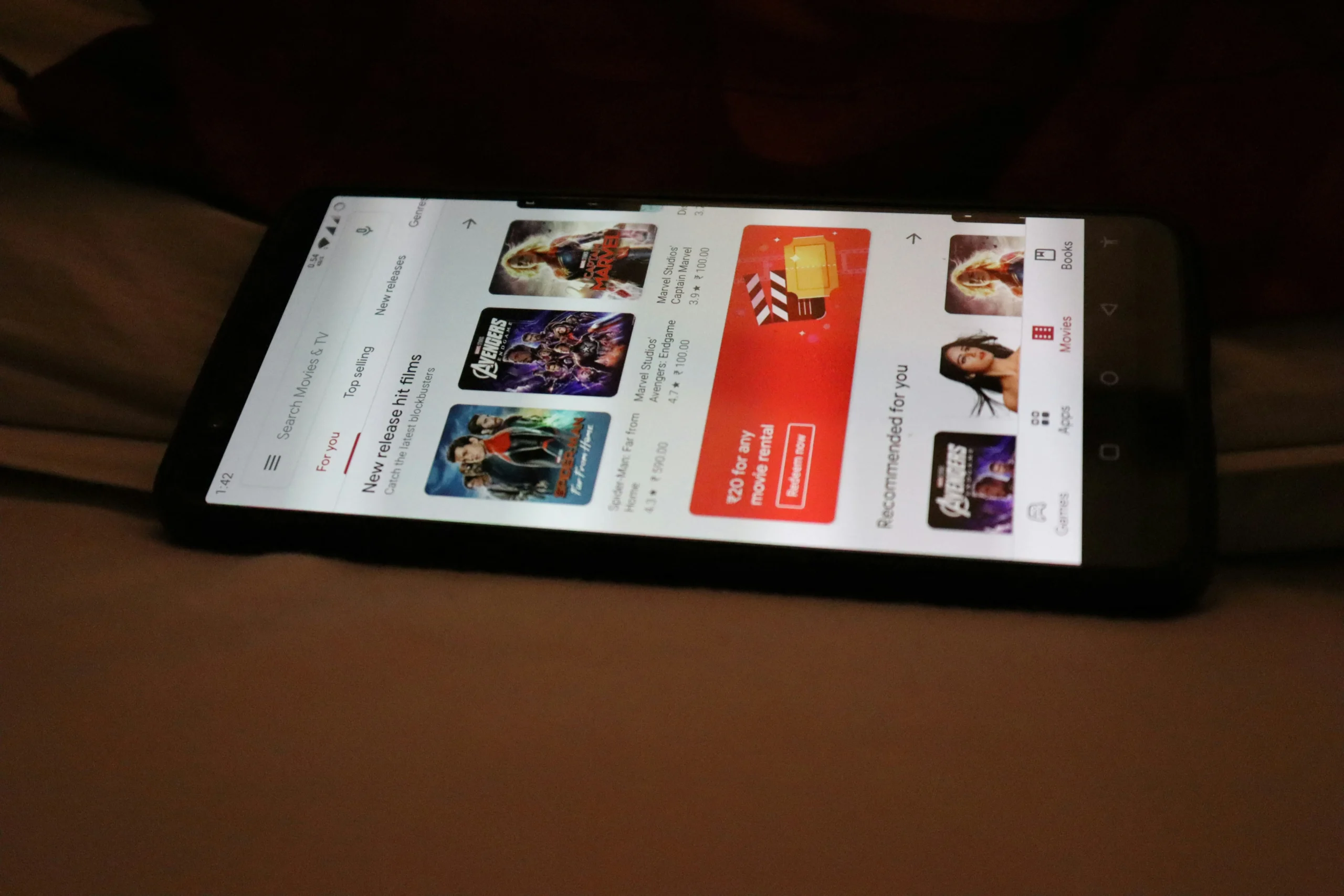
Why Streaming Platforms Became More Popular Than Cinema Movies
Convenience and Accessibility
Racsofilms.com – The advent of streaming platforms has fundamentally transformed the way audiences engage with entertainment. Unlike traditional cinema, which necessitates a visit to a physical location during specific times, streaming services offer an unmatched level of convenience and accessibility. Viewers are no longer bound by fixed screening times or geographic limitations; instead, they can access a vast library of content from the comfort of their homes or on-the-go.
This shift has been primarily driven by the growing demand for on-demand viewing. Consumers appreciate the ability to choose what they watch and when they watch it, allowing for a tailored viewing experience that accommodates diverse schedules. For instance, an individual with a busy work-life or family commitments can conveniently stream a film or series at a time that suits them, whether it’s late at night after the kids are asleep or during a lunch break at the office.
Moreover, streaming platforms have successfully integrated their services across multiple devices, including smartphones, tablets, smart TVs, and laptops, further enhancing accessibility. This multi-device support ensures that entertainment is always within reach, regardless of location. In contrast, going to the cinema entails planning and sometimes significant travel, especially in areas where theaters are limited. This disparity in accessibility has led to a preference for streaming, particularly among younger audiences who value flexibility in their viewing habits.
As such, the convenience of streaming platforms not only caters to the immediate gratification that today’s audiences crave, but it also aligns with modern lifestyle changes. The easy accessibility of films and shows on various platforms has contributed to the decline of cinema attendance, as many people find the option to stream more appealing than attending a theater and adhering to its constraints.
Cost-Effectiveness and Subscription Models
The financial landscape of entertainment has dramatically shifted in recent years, particularly with the surge of streaming platforms. One of the most notable advantages of these services is their cost-effectiveness. In contrast to the escalating prices of cinema tickets, which have become a significant barrier for many consumers, streaming platforms offer more budget-friendly alternatives. Typically, a monthly subscription fee allows users to access a vast library of films and television shows, providing substantial value for money.
Consider the traditional cinema experience, where the average ticket price has seen steady increases. Factors such as inflation, the cost of maintaining theater facilities, and the added expenses of amenities contribute to higher ticket costs. In many markets, it is not uncommon for a single cinema ticket to exceed the price of a monthly subscription to a streaming service, where users can relish in an extensive catalog of content without the financial strain associated with multiple theater visits.
Moreover, streaming services often employ flexible pricing models that cater to various consumer preferences. For instance, platforms may offer tiered subscription plans, allowing users to choose the level of access they desire. This range can include basic plans with advertisements at a lower price point or premium ad-free experiences at a higher cost. Such models not only enhance the affordability of content consumption but also cater to diverse viewing habits, thus appealing to a broader audience. The elimination of extra costs associated with attending the cinema, such as transportation, snacks, and drinks, further accentuates the financial attractiveness of streaming services.
In conclusion, the combination of monthly subscription pricing and the vast array of accessible content poses a compelling financial incentive for consumers, making streaming services more appealing than traditional cinema outings.
Diverse Content and Original Productions
The rise of streaming platforms has significantly reshaped the landscape of entertainment, providing an extensive array of content that caters to a diverse audience. Unlike traditional cinema, which often focuses on blockbuster hits aimed at mass appeal, streaming services offer a rich tapestry of genres, including drama, comedy, documentary, anime, and even niche interest films. This broad spectrum allows viewers to explore new themes and styles that may not receive attention in conventional theater settings.
One of the standout features of streaming platforms is their commitment to original productions. Platforms like Netflix, Amazon Prime Video, and Hulu have invested heavily in creating exclusive content that not only competes with mainstream cinema but often challenges it in terms of quality and narrative innovation. This shift has led to the emergence of critically acclaimed series and films that feature compelling storylines, unique characters, and talented storytellers, many of whom are emerging filmmakers seeking a platform to share their voices.
Moreover, streaming services are adept at recognizing and accommodating niche audiences that traditional cinema may overlook. By producing specialized genres and experimental projects, they create a space for diverse storytelling that appeals to underrepresented demographics. This inclusivity has empowered lesser-known filmmakers to showcase their work without the constraints often imposed by major studios, enriching the overall cinematic landscape. As a result, viewers benefit from a more comprehensive selection of films and series that reflect varied perspectives, cultures, and experiences.
In conclusion, the combination of diverse offerings and original content production has played a pivotal role in the growing popularity of streaming platforms. Their ability to reach wider and more specific audiences effectively positions these services as significant players in the entertainment industry, transforming how we consume visual storytelling.
Impact of Social Trends and Consumer Preferences
The rising popularity of streaming platforms over traditional cinema movies can be predominantly attributed to shifting social trends and evolving consumer preferences. In the contemporary media landscape, audiences are increasingly inclined towards content that is not only accessible but also tailored to their viewing habits. Social media has played a pivotal role in this transition, fostering a culture of instant consumption and immediate gratification. Platforms such as Instagram, Twitter, and TikTok have created an environment where snippets and trailers can go viral, significantly influencing what viewers choose to watch.
Furthermore, the desire for binge-watching is a phenomenon largely spurred on by the convenience of streaming services. Unlike cinema, where users are confined to watching films at specific times in designated locations, platforms such as Netflix and Amazon Prime allow users to immerse themselves in entire seasons of shows in one sitting. This flexibility enhances the viewing experience, catering to the audience’s preference for on-demand entertainment that fits their lifestyles.
Changing consumer behavior is also evident in the increased valuation of personal comfort and convenience. Many individuals prefer watching films and series in the comfort of their homes, avoiding the hassles of traveling to theaters, purchasing tickets, and adhering to showtimes. This shift has been further accelerated by recent global events, leading to more people exploring streaming as their primary mode of watching entertainment. The amalgamation of social media influence, binge-watching culture, and a desire for convenience has undoubtedly shaped new consumer expectations in entertainment, firmly establishing streaming platforms as the preferred choice for modern audiences.
Free Streaming Website: https://www.ez96live.com/